________________________________________________________________________________
MF 7480 Tractor DYNA VT transmission Hydraulic
Forward / Reverse high pressure relief
valves
The purpose of the high pressure relief valves is to regulate the
increase in HP pressure.
They protect the Massey Ferguson 7480, 7495, 7499, 7485, 7465, 7475,
7490 tractor DYNA VT transmission elements (hydrostatic motors and
pump).

Fig.88
A = Coupler and clutch functions inactive: Pressure identical in both
chambers. The spool is held in closed position by the spring.
B = Coupler and clutch functions active: the pressure drop caused by the
restrictor (nozzle) applies a force to the spool that is more powerful
than the force of the
spring. The spool moves to the right, bringing PH into contact with ES
(booster).
C = HP pressure is limited by the clutch and coupler spools.
Replacing Forward / Reverse HP pressure relief valves

Fig.89. Drain the Massey Ferguson 7495, 7499, 7480, 7485, 7465, 7475,
7490 tractor transmission oil
Loosen the 2 plugs with hexagonal heads located under the transmission
housing. Use a wrench to remove the high pressure relief valves.
V = Forward high pressure relief valve
R = Reverse high pressure relief valve.

Fig.90
The high pressure relief valve is a controlled pressure relief valve.
Adjustment pressure when new: R500 + 20 bar.
Adjustment pressure after several hours: 480 ± 20 bar.
Only replace O’rings if they are damaged. Do not move the thrust collar.
Tighten the pressure relief valve to a torque of 250 + 20 Nm
Scavenging valve
This valve allows to “flush” the oil in the hydrostatic loop.

Fig.91. Operation
Pressure in A, B: max. 500 bar.
Pressure in T: max. 50 bar
Opening pressure: delta p = 7 bar between A and B

Fig.92. MF 7480, 7495, 7499, 7485, 7465, 7475, 7490 tractor DYNA VT
Transmission at neutral
pA = pB, delta p < 7 bar
The spool is held in “middle” position by the spring.
The two channels (A, B) are closed.

Fig.93. “Pulling” phase
pA > pB, delta p > 7 bar
The spool moves upwards via control port XA.
Channel B communicates with T. The hot oil coming from the low pressure
side B can therefore be “flushed” and sent by the cooler via port T.

Fig.94. “Pushing” phase
pA > pB, delta p > 7 bar
The spool moves downwards via control port XB.
Channel A communicates with T. The hot oil coming from the low pressure
side A can therefore be “flushed” and sent by the cooler via port T.

Fig.95. Disassembling the scavenging valve
Drain the transmission oil.
Remove the plug located under the Massey Ferguson 7485, 7495, 7499,
7480, 7465, 7475, 7490 tractor transmission housing.

Fig.96
Use a wrench to remove the scavenging valve.
Only replace O’rings if they are damaged. Do not move the thrust
collars. The thrust collars are positioned facing each other. Tighten
the scavenging valve to a torque
of 200 + 10 Nm.
The new scavenging valve with a seal groove is provided as a
replacement. Tighten to the required torques: 250 + 20 Nm
Control spool valve

Fig.97. Pressure relief valve - 4V4 / Y004 coupler function
The coupler function valve (4V4) regulates the increase in hydrostatic
pressure (PH) in proportion to the engine speed. Due to this component
the coupler effect is
simulated. The coupler function valve is fitted to the control block
where the hydrostatic loop PH and tank return junction is located.
If this junction is not closed, the pressure in the hydrostatic loop
cannot increase, and the tractor does not reach its maximum pulling
power. The junction between the
hydrostatic loop PH and tank is closed by the coupler function valve
(4V4). The coupler function valve is controlled by the electronic
control unit.
In order for the pressure to increase in the HP loop, it is necessary to
maintain the electrical supply and the tightness of the coupler function
valve. The tighness of the
valve seal can be ensured by a mechanical lock mechanism.

Fig.98
Move the control lever Or tighten the internal Allen screw.
Pressure relief valve 4V5 - clutch function
The MF 7480, 7495, 7499, 7485, 7465, 7475, 7490 tractor clutch function
valve is fitted to the control block where the PH hydrostatic loop and
tank return junction is
located.
The clutch function valve also allows to limit the maximum pressure PH
in the 500 bar (± 20 bar) hydrostatic loop. Due to the clutch function
valve, when the clutch
pedal is not activated, the junction between the hydrostatic loop and
tank return is closed.
By moving the clutch pedal, the clutch function valve opens and the
hydrostatic loop communicates with the tank return channel. This results
in a drop in pressure
(interruption of the pulling effort) in the hydrostatic loop,
proportional to how far in the clutch pedal is pressed (comparable to a
mechanical forward clutch).
Clutch pedal pressed in fully, High pressure PH = 0 bar. The maximum
pressure can be achieved in the hydrostatic loop only when the clutch
valve (4V5) is
functioning perfectly.

Fig.99. Checking the control block
If maximum pressure is not reached when measuring the HP pressure, the
Massey Ferguson 7480, 7495, 7499, 7485, 7465, 7475, 7490 DYNA VT
transmission
module may be defective, but it is also possible that the internal seal
tightness of the control block is the cause of the problem.
To be sure that it is necessary to disassemble the transmission module,
it is recommended to first check the seal tightness of the spool valve
block (transmission
control). The pressure in the hydrostatic loop can only increase if the
pressure relief valve seals are tight.
- Coupler function (4V4 / Y004)
- Clutch function (4V5)
When the following conditions are met, the coupler function valve allows
the pressure in the hydrostatic loop to increase:
- Engine speed higher than 1400 rpm (PWM - Signal)
- Limp home mode activated
- Valve locked mechanically (tighten the internal Allen screw or move
the lever).
The clutch function valve is closed (increase in HP pressure possible)
when the clutch pedal is not activated. The tightness of the 2 pressure
relief valves (4V4 / 4V5)
can be controlled by the T union.

Fig.100. Remove the right-hand rear wheel and its protective guard
located behind it
Remove the T union. Fit a test pressure gauge to measure pressures
higher than 500 bar at the PH union.

Fig.101
Checking procedure:
Start the engine. Activate the limp home mode by pressing in the clutch
pedal fully and pressing on the button.

Fig.102
Apply the handbrake. Use the limp home mode lever to start the DYNA VT
transmission.

Fig.103
Checking the clutch function valve (4V4)

Fig.104

Fig.105. Precautions to be taken during the pressure measurements
The oil temperature must be between 35 and 45°C. When measuring the
transmission pressure, raise all wheels of the tractor to prevent
accidents. Set transmission
ratio (Hi/Lo) to speed of 0. Release the handbrake.
Engage the front axle. Differential lock and PTO clutch are not engaged.
On right-hand side, in the middle of the MF 7495, 7485, 7499, 7480,
7465, 7475, 7490 tractor:
Remove right-hand rear wheel and its protective guard.
Connect a test pressure gauge. Measure the pressures set out below
according to the different engine speeds.
- PU Pressure (M5). Pressure measuring point located between the service
pump and the pressure filter.
- P Pressure (M6) System pressure downstream of pressure filter.
- ES booster pressure.
- AS flushing or discharge pressure
- SM transmission lubricating pressure.
________________________________________________________________________________
 SPECS
 LOADERS
 MAINTENANCE
 PROBLEMS
________________________________________________________________________________________
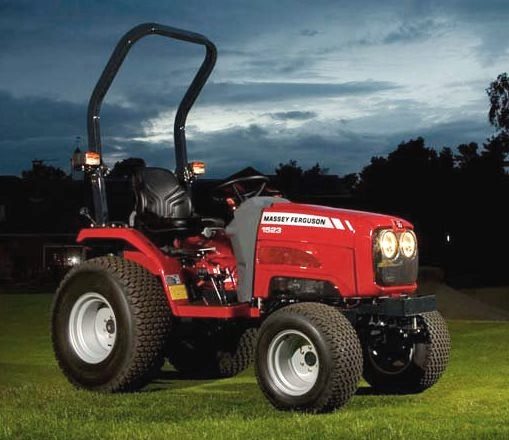 MF 1523
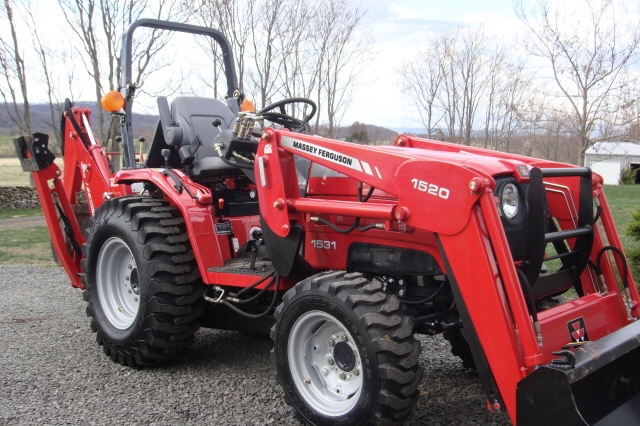 MF 1531
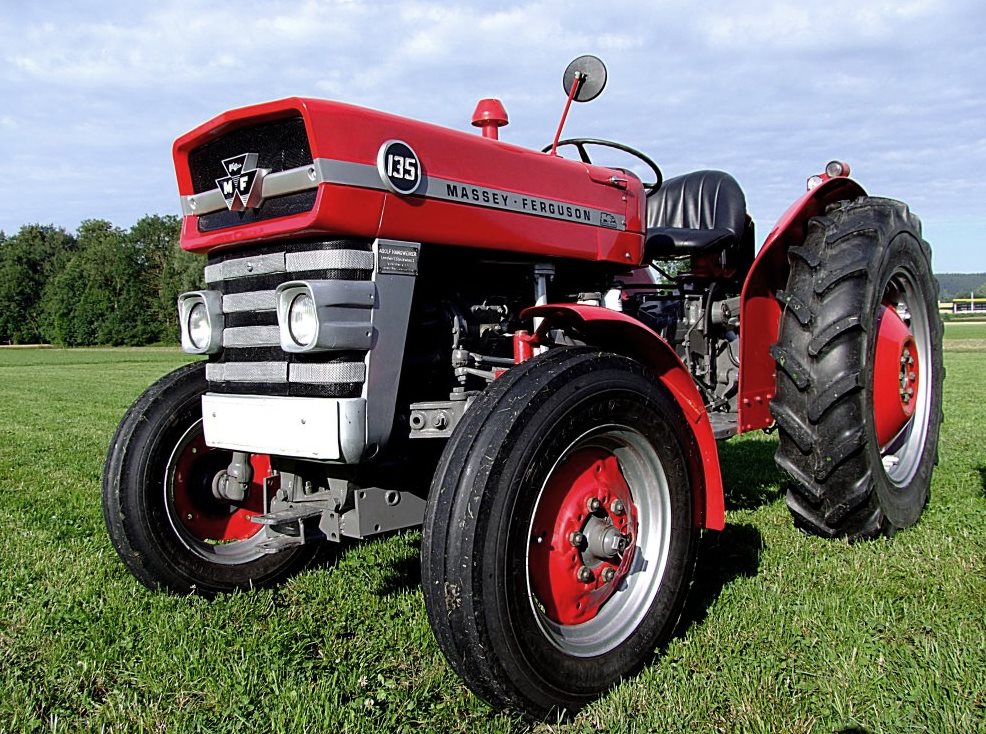 MF 135
 MF 1547
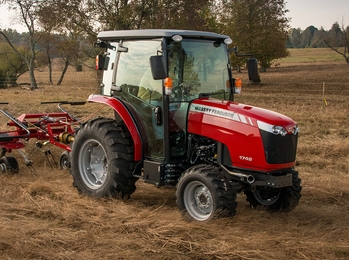 MF 1635
________________________________________________________________________________________
 231
 231S
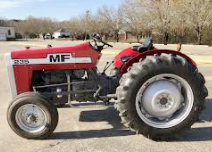 235
 240
 241
________________________________________________________________________________________
_______________________________________________________________________________________
 255
 265
 274
 285
 375
________________________________________________________________________________________
________________________________________________________________________________________
 916X Loader
 921X Loader
 926X Loader
 931X Loader
 936X Loader
________________________________________________________________________________________
 941X Loader
 946X Loader
 951X Loader
 956X Loader
 988 Loader
________________________________________________________________________________________
 1655
 GS1705
 1742
 2635
 4608
________________________________________________________________________________________
 1080
 1100
 2615
 3050
 3060
________________________________________________________________________________________
 4708
 5455
 5450
 5610
 5613
________________________________________________________________________________________
 DL95 Loader
 DL100 Loader
 DL120 Loader
 DL125 Loader
 DL130 Loader
________________________________________________________________________________________
 DL135 Loader
 DL250 Loader
 DL260 Loader
 L90 Loader
 L100 Loader
________________________________________________________________________________________
 6499
 7480
 7618
 7726
 1533
________________________________________________________________________________________
 2604H
 2607H
 4455
 4610M
 4710
________________________________________________________________________________________
 L105E Loader
 L210 Loader
 1014 Loader
 1016 Loader
 1462 Loader
________________________________________________________________________________________
 1525 Loader
 1530 Loader
 232 Loader
 838 Loader
 848 Loader
________________________________________________________________________________________
 5712SL
 6713
 6715S
 7475
 7615
________________________________________________________________________________________
 7716
 7724
 8240
 8650
 8732
________________________________________________________________________________________
 246 Loader
 1036 Loader
 1038 Loader
 1080 Loader
 856 Loader